
"coffee in Guyana"
400 article(s) found
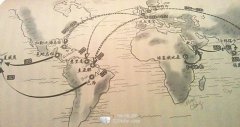
The spread History of Coffee Culture Fine Coffee in the World
Ethiopia (7th-9th century) Arab States (Yemen) Nataka, India (1600) Ceylon (1658 Netherlands) Java (16901696 Netherlands) Amsterdam (Netherlands 1706-1710) Versailles (France around 1713) and Suriname Caribbean island countries and Guyana and Brazil Guatemala Hawaii (United States 1892 and 1825) Arab States Yemeni French Bourbon 1

Coffee producing area Suriname
Suriname (Surinam) was the first country in South America to grow coffee, and Norway was once a major importer of coffee products. However, the country's output is very small today, and it is mentioned here only for historical reasons.
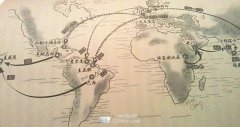
Introduction to Coffee the spread History of Coffee
Ethiopia (7th-9th century) Arab States (Yemen) Nataka, India (1600) Ceylon (1658 Netherlands) Java (16901696 Netherlands) Amsterdam (Netherlands 1706-1710) Versailles (France around 1713) and Suriname Caribbean island countries and Guyana and Brazil Guatemala Hawaii (United States 1892 and 1825) Arab States Yemeni French Bourbon 1

The Development of Coffee Historical Communication Historical Coffee Culture
Ethiopia (7th-9th century) Arab States (Yemen) Nataka, India (1600) Ceylon (1658 Netherlands) Java (16901696 Netherlands) Amsterdam (Netherlands 1706-1710) Versailles (France around 1713) and Suriname Caribbean island countries and Guyana and Brazil Guatemala Hawaii (United States 1892 and 1825) Arab States Yemen French Bourbon Island 19
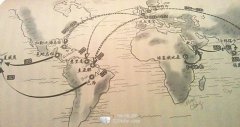
The spread of coffee history
Ethiopia (7th-9th century) Arab States (Yemen) Nataka, India (1600) Ceylon (1658 Netherlands) Java (16901696 Netherlands) Amsterdam (Netherlands 1706-1710) Versailles (France around 1713) and Suriname Caribbean island countries and Guyana and Brazil Guatemala Hawaii (United States 1892 and 1825) Arab States Yemeni French Bourbon 1
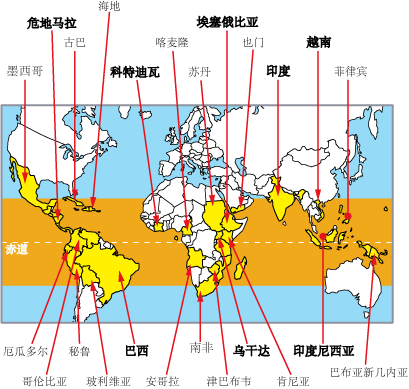
Suriname is the first country in South America to grow coffee. Norway is a major importer of coffee products.
Suriname Suriname (Surinam) is the first country in South America to grow coffee, and Norway was once a major importer of coffee products. However, the country's output is very small today, and it is mentioned here only for historical reasons. The Dutch, who settled in Suriname in 1667, introduced coffee trees from Java in the early 18th century. The first coffee trees were made by the mayor of Asmstedan.
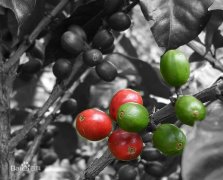
Suriname (Surinam) was the first country in South America to grow coffee, and Norway used to be the country's coffee.
Suriname (Surinam) was the first country in South America to grow coffee, and Norway was once a major importer of coffee products. However, the country's output is very small today, and it is mentioned here only for historical reasons. The Dutch, who settled in Suriname in 1667, introduced coffee trees from Java in the early 18th century. The first batch of coffee trees were given by the mayor of Asmstedan.

Suriname (Surinam) the first country in South America to grow coffee imported from Norway
High-quality coffee beans are refined by water treatment. The coffee beans with less impurities can be obtained by the water washing method, but if the water quality and time are not properly controlled during the fermentation process, the coffee beans will easily be infected with the sour taste of excessive fermentation. and dry beans also need to pay attention to timely re-inspection to prevent coffee beans from being contaminated by wet ground and sundries. Processed

Colombian coffee bean flavor map rich flavor Colombian coffee
The exchange of professional baristas please follow the coffee workshop (Wechat official account cafe_style). It is said that the coffee seeds of the 19th century were brought to Colombia by Jesuit priests from Venezuela and Guyana. For the first time, coffee is grown in eastern Colombia. The second half of the 19th century. Colombian coffee has expanded to the international market. Gradually, the United States became the most important coffee.

History of the development of coffee beans in Brazil, a big coffee country in the world, the influence of Brazilian coffee characteristics on world coffee production
The charm of Brazilian coffee is not as good as the unrestrained, warm and earth-shaking samba dance and the carnival that cannot stir up the tip of the tongue, but Brazilian coffee is thoroughly integrated into the blood of Brazilians who are happy to know their fate, and it touches the heartstrings of coffee lovers with its colorful flavor. it has a long aftertaste. An interesting historical story of Brazilian coffee was originally on more than 8.5 million square kilometers of land in Brazil.

Brazilian Coffee Main Producing Areas Brazilian Fine Coffee Brazilian Coffee Flavor Manor Introduction
Brazil's terrain is mainly divided into two parts, one part is the Brazilian plateau above 500 meters above sea level, distributed in the south of Brazil, and the other part is the plain below 200 meters above sea level, mainly distributed in the Amazon River Basin in the north and the west. The terrain is divided into Amazon Plain, Paraguay Basin, Brazilian Plateau and Guyana Plateau, among which Amazon Plain accounts for about 1/3 of the country's area. have

Description of the Flavor of Coffee beans in Queen's Manor of Brazil
Flavor description of coffee beans in Queen's Manor of Brazil since coffee trees were introduced from French Guiana (Guyana) in 1720, coffee production has gradually become a science. Before 1990, the Brazilian government carried out strict monitoring of the coffee industry, with both strict intervention and price protection measures, and the state has been implementing minimum price protection measures for farmers.

Brazilian Coffee Manor and description of its Taste and Flavor introduction of varieties produced in planting environment
Brazilian Coffee Manor and Flavor description growing Environment Variety introduction since the introduction of coffee trees from French Guiana (Guyana) in 1720, coffee production has gradually become a science. Before 1990, the Brazilian government carried out strict monitoring of the coffee industry, with both strict intervention and price protection measures, and the state has been implementing minimum price protection measures for farmers.

Brazilian coffee beans grown on plantations Growing regions Flavor description Taste treatment Variety introduction
Coffee production has gradually become a science since coffee trees were introduced from Guyane française in 1720. Before 1990, Brazil's coffee industry was strictly monitored by the government. There were both severe interference and price protection measures. Moreover, the state always implemented minimum price protection measures for farmers.

Flavor description of South Minas Coffee Bean in Brazil
Flavor description of South Minas Coffee beans in Brazil since the introduction of coffee trees from French Guiana (Guyana) in 1720, coffee production has gradually become a science. Before 1990, the Brazilian government carried out strict monitoring of the coffee industry, with both strict intervention and price protection measures, and the state has been implementing minimum price protection measures for farmers, resulting in

Description of Flavor of Fine Brazilian Coffee beans introduction of Grinding scale in Manor Taste production area
Fine Brazilian coffee bean flavor description manor taste area grinding scale introduction since coffee trees were introduced from French Guiana (Guyana) in 1720, coffee production has gradually become a science. Before 1990, the Brazilian government carried out strict monitoring of the coffee industry, with both strict intervention and price protection measures, and the state has been implementing minimum price protection measures for farmers.

Introduction to the characteristics of Brazilian Coffee Flavor and Flavor Manor production area
The topography of Brazil is mainly divided into two parts, one is the Brazilian plateau above 500 meters above sea level, distributed in the south of Brazil, the other is the plain below 200 meters above sea level, mainly distributed in the north of the Amazon River basin and the west. The topography of the whole territory is divided into Amazon plain, Paraguay basin, Brazilian plateau and Guyana plateau, of which the Amazon plain accounts for about 1% of the national area. Yes

Introduction of Manor production area by Grinding scale treatment of Bourbon Coffee beans in Minas, Brazil
Unlike in the past, Brazil's economy is less dependent on coffee, which accounts for only 8% to 10% of GDP. Before World War II, Brazil accounted for 50% or more of the world's coffee production, and now it is close to 30%. But the country's impact on the world coffee, especially on coffee prices, is significant, such as the two frost disasters in 1994.

Introduction of Brazilian Coffee Bean planting cost Brand characteristics, Flavor description and Taste varieties
Brazilian Coffee Bean planting cost Brand characteristics Flavor description Variety introduction since the introduction of coffee trees from French Guiana (Guyana) in 1720, coffee production has gradually become a science. Before 1990, the Brazilian government carried out strict monitoring of the coffee industry, with both strict intervention and price protection measures, and the state has been implementing minimum price protection measures for farmers.

Introduction to Brazilian Yellow bourbon Coffee Bean Flavor description Grinding scale Variety de-treatment taste Manor
Brazil Yellow bourbon Coffee Bean Flavor description Grinding scale varieties to deal with the taste Manor introduction of coffee trees from French Guiana (Guyana) in 1720, coffee production has gradually become a science. Before 1990, the Brazilian government carried out strict monitoring of the coffee industry, with both strict intervention and price protection measures, and the state has been implementing minimum price protection measures for farmers.